Understanding the psychology behind gambling What drives risk-taking behavior
The Nature of Risk-Taking
Risk-taking behavior, especially in gambling, is deeply rooted in human psychology. At its core, gambling offers an exhilarating experience that taps into our innate desire for excitement and unpredictability. This drive can be traced back to evolutionary instincts where taking risks could result in rewards such as food or social status. Thus, the thrill associated with gambling can often be more enticing than the actual monetary stakes involved. For those interested in exploring this topic further, https://sadgirlreview.com/ provides valuable insights and analyses.
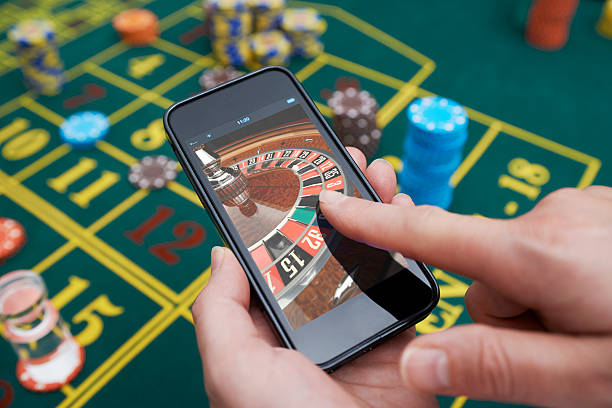
Moreover, different individuals exhibit varying levels of risk tolerance. Some are naturally inclined to seek out high-risk situations, motivated by the potential for high rewards. For instance, individuals with a propensity for risk-taking may choose to engage in high-stakes poker games, even when the odds are not in their favor. The prospect of a significant win often outweighs the fear of loss, contributing to a cycle of repeated gambling.
This psychological interplay between risk and reward can also be influenced by external factors such as environment and social pressures. The ambiance of a casino, with its lights, sounds, and social interactions, can heighten the allure of gambling. As people witness others winning or sharing stories of their successes, they may feel compelled to join in, thus reinforcing their own risk-taking behaviors.
The Role of Cognitive Biases
Cognitive biases significantly shape how gamblers perceive risks and rewards. One of the most common biases is the illusion of control, where individuals believe they can influence the outcome of games of chance. This misconception leads players to make irrational decisions, convinced that their skills or strategies can sway the odds. For example, a gambler might believe that selecting specific numbers in a lottery increases their chances of winning, despite the purely random nature of such games.
Another prevalent cognitive bias is the gambler’s fallacy, where individuals think that past outcomes affect future probabilities. For instance, if a roulette wheel has landed on red several times in a row, a player might erroneously believe that black is “due” to occur. This faulty reasoning can lead to increased betting, as gamblers chase perceived patterns that do not exist.
Additionally, confirmation bias plays a significant role in shaping gambling behavior. Gamblers often focus on their wins while dismissing their losses, creating a skewed perception of their overall performance. This selective memory can encourage continued gambling, as individuals believe they are more successful than they truly are, reinforcing the cycle of risk-taking.
Emotional Factors in Gambling
Emotions significantly influence gambling decisions and behaviors. The thrill of winning can create a euphoric state that reinforces the desire to gamble. This rush triggers the release of dopamine in the brain, creating a pleasurable sensation associated with risk-taking. For many, this momentary high can become addictive, leading them to seek out gambling experiences repeatedly in hopes of replicating that initial thrill.
Conversely, negative emotions such as stress, boredom, or anxiety can drive individuals to gamble as a form of escape. For some, gambling serves as a coping mechanism, providing a temporary distraction from life’s challenges. Unfortunately, this emotional dependence can lead to more significant risks, as individuals gamble not for enjoyment but to alleviate negative feelings, perpetuating a vicious cycle of addiction.
Furthermore, the social dynamics surrounding gambling can enhance emotional investment. Many people gamble in groups, using the shared experience to amplify excitement. The camaraderie and social reinforcement can lead to increased risk-taking, as individuals feel supported by their peers, often disregarding their personal limits in the process. This collective behavior can lead to higher stakes and riskier choices than one would typically undertake alone.
The Impact of Environment and Social Influence
The environment where gambling occurs has a profound effect on individuals’ risk-taking behaviors. Casinos and gaming venues are designed to maximize excitement, featuring bright lights, enticing sounds, and a sense of urgency. This immersive atmosphere can cloud judgment, encouraging players to take risks they might avoid in a more subdued setting. The thrill is enhanced by the constant stimulation, making it easy to lose track of time and money.
Social influence also plays a crucial role in gambling behavior. Observing others winning can create a bandwagon effect, where individuals feel compelled to join in, driven by a fear of missing out. This social pressure can lead to higher betting amounts or riskier games, as players seek to emulate the success of their peers. Engaging in group gambling activities can create a sense of belonging that further fuels the desire to take risks.
Moreover, advertisements and promotional tactics employed by gambling establishments can exacerbate risk-taking behavior. Promotions that highlight massive jackpots or success stories can distort perceptions of gambling as a potentially lucrative venture. This marketing often downplays the risks involved and glamorizes the lifestyle associated with gambling, which can attract more individuals to engage in high-risk betting.
Exploring Responsible Gambling Practices
Understanding the psychology behind gambling is crucial for promoting responsible gambling practices. Recognizing cognitive biases and emotional triggers can empower individuals to make informed decisions about their gambling behaviors. Education around these concepts can provide a clearer understanding of personal limits and the true nature of risk, which is vital for minimizing potential harm.
Implementing strategies such as setting strict limits on time and money spent gambling can help mitigate impulsive risk-taking. Additionally, encouraging open discussions about gambling behaviors can foster a culture of accountability, helping individuals recognize when they may be crossing boundaries. Creating support networks can also provide resources for those struggling with gambling addiction.
Ultimately, fostering a responsible gambling environment requires collaboration between individuals, gambling establishments, and regulatory bodies. By promoting awareness of the psychological factors that drive risk-taking behaviors, society can work towards creating a safer gambling landscape, ensuring that the thrill of gambling remains an enjoyable experience rather than a pathway to addiction.
About Our Website
Welcome to our platform, where we strive to provide comprehensive insights and resources on gambling and its underlying psychological aspects. Our mission is to empower individuals with knowledge that helps them understand not only their behaviors but also the broader implications of gambling within society. We believe that informed choices lead to better outcomes.
Our content is curated by experts in the field, ensuring that you have access to accurate, relevant, and valuable information. Whether you’re looking to explore the complexities of gambling psychology or seeking strategies for responsible gambling, we are committed to supporting your journey. Join our community to connect with others who share your interests and goals.